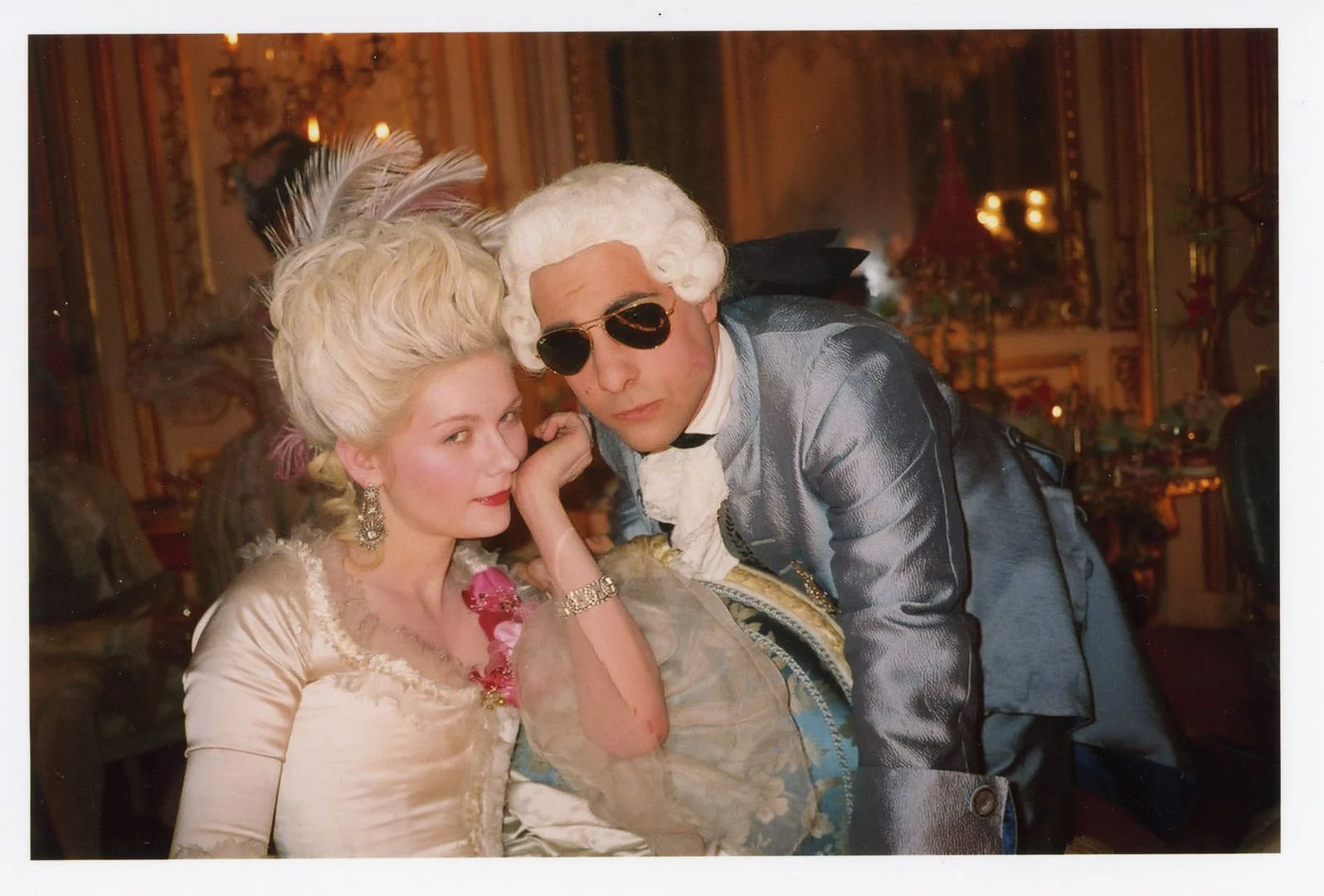
When Sofia Coppola’s Marie Antoinette premiered in 2006, it was met with mixed reactions. Some praised its unconventional portrayal of the French queen, while others criticised its historical liberties and modern sensibility. Twenty years later, however, the film has become a cult classic, celebrated for its distinctive aesthetic, extravagant costumes and anachronistic soundtrack. What was once considered an unusual approach to a period drama has become one of the film’s greatest strengths, and its influence can still be seen in contemporary cinema and fashion.
Now, two decades after its release, Making Marie Antoinette offers audiences an opportunity to revisit the film from an entirely different perspective. Directed by Eleanor Coppola, Sofia Coppola’s mother, the documentary takes us behind the scenes of the 2006 production, capturing the enormous undertaking of bringing eighteenth-century Versailles to life. But what makes it particularly special is that it is not simply a documentary about the making of a film. It is also a portrait of a young filmmaker finding her confidence, seen through the eyes of her mother.
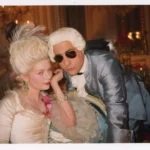
One of the most striking aspects of the documentary is how visually beautiful it is. Marie Antoinette was already a feast for the eyes, with its impeccable production design, elaborate costumes and extraordinary filming locations, including the Palace of Versailles itself. Watching these elements come together behind the scenes is almost as fascinating as watching the finished film. From the rare authenticity of the sets to the delicate details of the costumes, the documentary reveals just how much work went into creating a world that appears so effortlessly beautiful on screen.
Yet, as beautiful as the documentary is visually, it is perhaps even more beautiful emotionally. There is something particularly touching about watching these young artists take on a project of such enormous scale. Sofia Coppola was in her early thirties during production, while Kirsten Dunst, who played the titular queen, was only twenty-three when filming began. Both were already established in the industry, but the documentary makes it clear that experience does not necessarily eliminate insecurity. There is an almost palpable nervousness surrounding the production, particularly given the privilege and responsibility of filming inside Versailles. It is easy to forget, when watching the finished film, that behind all the elaborate dresses and carefully composed shots were people who were still figuring things out.
What also distinguishes Making Marie Antoinette from more conventional behind-the-scenes documentaries is Eleanor Coppola’s perspective. Rather than presenting the production as a straightforward account of how a film was made, the documentary allows us to experience it through the eyes of someone who has a deeply personal connection to its director. Eleanor is not simply observing a filmmaker at work; she is watching her daughter take on one of the most ambitious projects of her career. That relationship adds an emotional dimension to the documentary, turning what could have been a collection of interesting production anecdotes into something much more intimate.
It is this combination of artistic ambition and personal vulnerability that makes the documentary so compelling. Watching the challenges of production unfold, and seeing how much uncertainty can exist behind something that eventually appears so polished, makes it difficult not to appreciate Marie Antoinette even more. The documentary reminds us that films do not simply emerge as the beautiful, finished works we encounter in cinemas. They are the result of countless decisions, compromises, anxieties and moments of creativity, many of which audiences never get to witness.
During the London Film Festival last month, I had the privilege of hearing Sofia Coppola speak about the documentary. She admitted feeling insecure about releasing such personal footage, but ultimately believed it was important both for preserving her mother’s legacy and for showing young filmmakers just how overwhelming the filmmaking process can be. Watching the documentary, it becomes clear exactly what she meant. There is something reassuring about seeing someone as accomplished as Coppola navigating uncertainty, particularly when we already know what the finished film would go on to become. It offers a reminder that even the most visually confident creative works can be created by people who, at the time, are anything but confident.
I found myself getting emotional within the first five minutes, and that feeling stayed with me throughout. Perhaps it is the knowledge that Eleanor Coppola, who passed away in 2024, is no longer here to witness the documentary’s release. Perhaps it is the intimacy of watching a mother document her daughter’s creative journey. Or perhaps it is just my fascination with Sofia’s filmmaking style. As her brother, Roman Coppola, states in the documentary, Sofia stands out amongst other directors because of her softness and sensibility.
Ultimately, Making Marie Antoinette is much more than a companion piece to Sofia Coppola’s film. It is a celebration of filmmaking, of the people behind the camera and of the relationships that shape the creative process. It also offers an extremely valuable perspective to aspiring and emerging filmmakers.
Much like the film it documents, Making Marie Antoinette feels destined to age like fine wine. Perhaps that is fitting for a story set against the extravagance of Versailles, where so much was devoted to preserving beauty, even as time inevitably changed its meaning. Twenty years after its creation, the documentary reminds us that the beauty of Marie Antoinette lies not only in what ended up on screen, but also in everything, and everyone, that made it possible.
Making Marie Antoinette is available to stream on MUBI.