
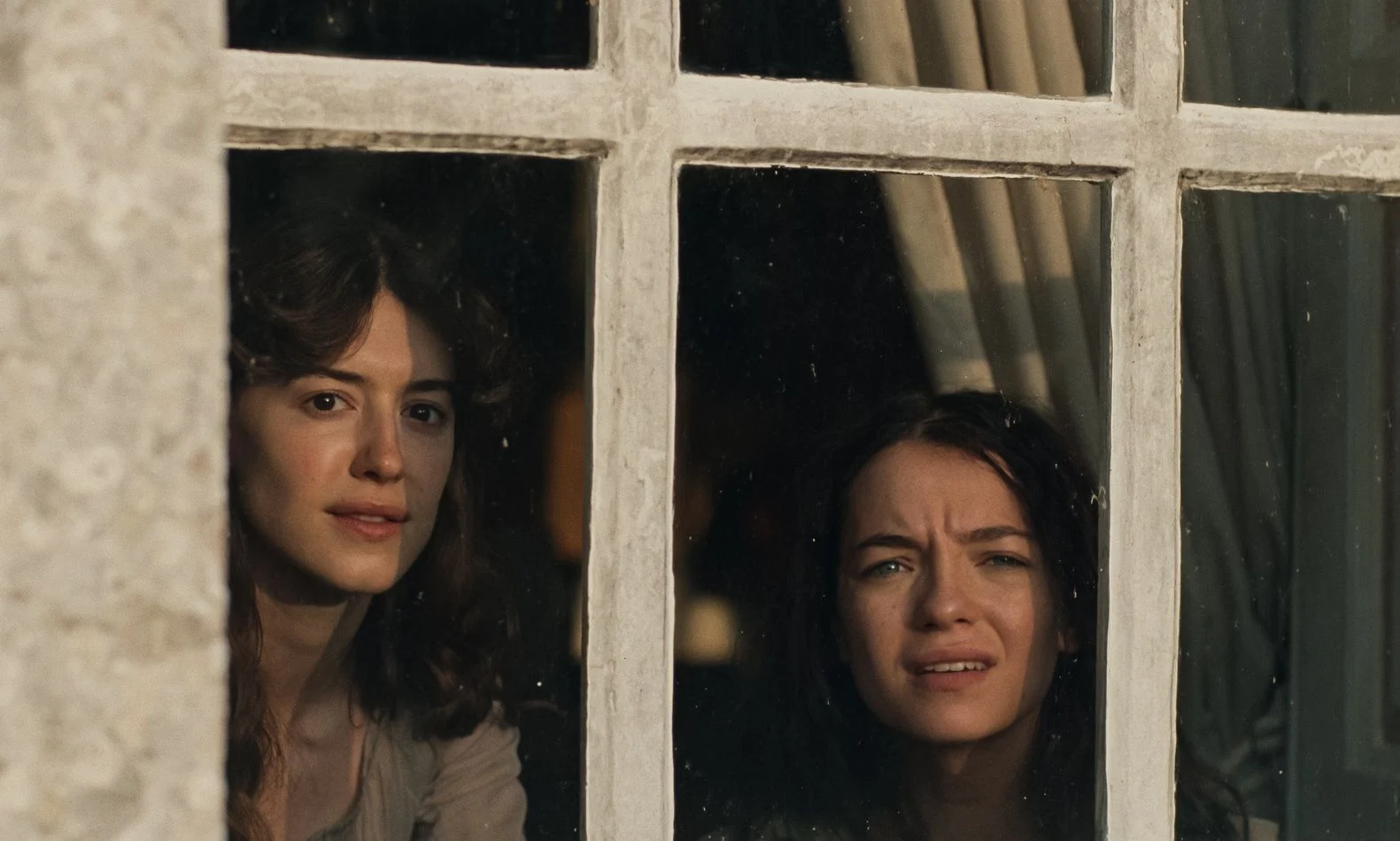
Period literary adaptations these days, especially those of Jane Austen’s novels, feel catered to an extremely modern sensibility (and sense – sorry, couldn’t help myself). From 2022’s Persuasion to Emerald Fennell’s take on Emily Brontë’s Wuthering Heights earlier this year, the tone of so many films on this oversaturated market seem to aggressively target audiences with the most contemporary of tastes, running the risk of alienating those who just want to see faithful adaptations of the books they love.
Thankfully, this latest adaptation of Sense and Sensibility, Austen’s first novel, is an elegantly crafted antidote to that. Only the second feature from director Georgia Oakley, Diana Reid’s screenplay deploys dialogue which sounds much more authentic to the period while still successfully drawing laughs from the audience with every witty observation, suggesting the extent to which Austen’s keen eye for the vagaries of human behaviour has endured.
Fans of the book will know the story of the Dashwood sisters, whose father’s death and their consequently straitened financial circumstances drive them and their mother (Caitríona Balfe) from their Sussex home to a modest cottage in Devon. Eldest sister Elinor (Daisy Edgar-Jones) grows close to her caring, introspective half-brother-in-law Edward Ferrars (George MacKay). Later, middle daughter Marianne (Esmé Creed-Miles) contends with the competing affections of the reserved Colonel Brandon (Herbert Nordrum) and the charismatic rogue John Willoughby (Frank Dillane).
Edgar-Jones is well cast as the practical, intellectual Elinor, who embodies the sense of the title. Representing her opposite in the emotional sensibility is Creed-Miles, who I probably can’t write off as Samantha Morton’s nepo baby anymore after her strong performance as the flighty, headstrong Marianne. The ensemble cast are uniformly engaging, with a standout turn from the great Fiona Shaw as the loquacious Mrs. Jennings.
Disappointingly, much of Arnaud Potier’s cinematography continues the very modern period film trend of sucking out the vibrant colour of the backdrop, although this does work when using a blue-grey hue to paint the rugged Devon coastline. The other great exception to the rule is in the opening scenes in the lush Sussex countryside, rendered in vivid greens, which are especially striking in the film’s opening shots of Marianne lying in the grass, toying with a caterpillar.
Perhaps the real star of the film is Roger Goula’s gorgeous, sweepingly romantic score, which superbly complements the rural scenery and the emotional turmoil of the characters. While there will be the inevitable comparisons to the 1995 adaption scripted by and starring Emma Thompson, this version of Sense and Sensibility is a charming, sincere telling of the story. While those who’ve read the book are better placed than me to judge how true it is to the tone of the source material, I think it gives them plenty to enjoy.